The Deep Read
Choose one book. Read it in one day. No phone, no breaks longer than ten minutes. Just you and the words.
Most people recognise the moment when they stop reading and start inhabiting. It happens somewhere after midday, when your legs have gone numb beneath you and the teacup beside your chair has been cold for hours. The words on the page dissolve into images that feel sharper than your own living room. You forget that your fingers are holding the paper.
A day of uninterrupted reading changes the way stories reach you. Without the usual interruptions of notifications and daily distractions, a book can swallow you whole. Your body stiffens, your eyes grow heavy, but your mind travels effortlessly through the world the author has built. By evening, when you turn the last page, you feel as though you have returned from a long journey to a place you never truly left.
Choose your book. Something that calls to you , not something you "should" read. Under 300 pages. Have it ready the night before.
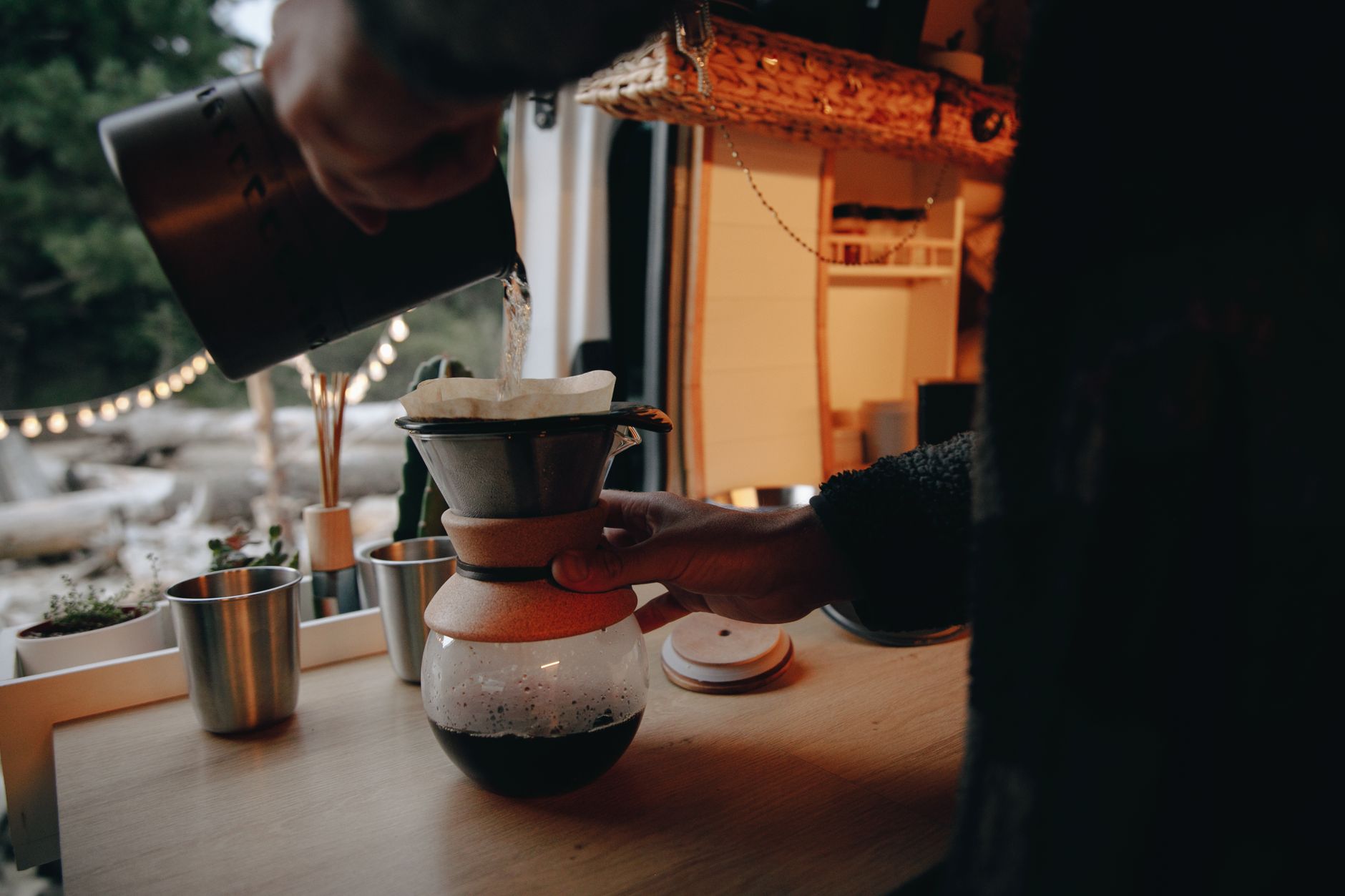
12Suggestion: If you don't have a book, visit a bookshop today and buy the first one that makes you pick it up twice.Morning. Make a large pot of tea or coffee. Put your phone away. Create a reading nest: your most comfortable spot with good light and no distractions.
Begin reading. No skimming, no speed-reading. Read at the pace the author intended. Let sentences land before you move to the next.
Suggestion: If your attention wanders, read the last paragraph aloud. Your voice anchors your focus.After an hour, set the book face-down. Close your eyes. Let the story work in the dark. What images are forming? What do you feel?
Continue reading. Change positions , move to a chair, then the floor, then outside if weather allows. Movement keeps the body engaged while the mind travels.
There's a page , you'll know it when you hit it , where you stop reading and start living inside the book. You forget the room, the day, yourself. That's the deep read.
Break for food. Something simple. Eat slowly. Let the story simmer while you chew. Don't read during lunch , let the gap create anticipation.
Afternoon: finish the book. Push through the last third. If it's a novel, this is where everything converges. Give it your full attention.
Close the book. Sit with it in your hands. Don't immediately share what you think about it. Let the ending settle for at least an hour before you form an opinion.
I read the way I used to as a child , completely lost, completely absorbed. Hours passed like minutes. My phone didn't exist. The world was 300 pages wide and infinitely deep.
Related playbooks
One week of analog reading only
Seven days, no screens for reading. Kindle, e-reader, Twitter, all closed. A paper book or a magazine. By the end you'll know how slow your eye really works.
Kitchen as Meditation
Cook one meal from scratch with full presence. No music, no podcast. Just the sounds of food becoming.
Letter to a Stranger
Write a handwritten letter to someone you've never met. Pour yourself onto paper. Send it into the world.
Hidden Cafés in Stuttgart
An afternoon route through Stuttgart-West, Heusteigviertel, and Bohnenviertel featuring filter coffee, courtyard cafés, and bakeries away from Königstraße.
Phone Funeral
Bury your phone in a drawer for 24 hours. Live a full day as if it's 1995. See who you are without the extension of your hand.
First time solo at the helm
A small dinghy, two hours, on your own. No passenger to impress. Just learning what the boat does.
Invisible Kindness
Do three anonymous acts of goodness in one day. No credit, no posting, no telling anyone. Pure giving.
Sunrise to Sunset
One full day outdoors from first light to last. Bring only water and a notebook. Let the sky be your clock.
For anyone copying this
Do as we did
Suggestions
- Choose a book under 300 pages. This is about depth, not endurance.
- Fiction works beautifully for this. A novel can consume you in a way non-fiction rarely does.
- If you haven't read in a while, start with something you loved as a teenager. Familiarity eases you back in.
- Have a pencil nearby. Underline things that hit you. Dog-ear pages. Make the book yours.
Variations
Audiobook version
Audiobook version: Listen to the entire book in one day. Lie down, close your eyes, let the narrator take you.
- Note: Audiobook version: Listen to the entire book in one day. Lie down, close your eyes, let the narrator take you.
Poetry deep read
Poetry deep read: Instead of a novel, read a single poetry collection three times. Each reading reveals something new.
- Note: Poetry deep read: Instead of a novel, read a single poetry collection three times. Each reading reveals something new.
Shared read
Shared read: Read the same book as a friend on the same day. Meet for dinner and discuss. Instant book club.
- Note: Shared read: Read the same book as a friend on the same day. Meet for dinner and discuss. Instant book club.
Atmosphere

by PlayTryBe team