Cheese-making workshop on a working farm
Four hours on a working cheese farm. Curds, pressing, brining, and at the end you go home with your own cheese that will be ready in four weeks.
A cheese-making workshop on a farm is not a cooking class. It is doing work that is normally done by others, in a space where the equipment handles a hundred kilos a day, and you make half a kilo. The farmer turns a dial, you stir in a vat, you feel the curds forming under your hand. The flavour has not developed yet. That comes in four weeks.
What makes it special is the distance between what you do and what you get. You work four hours, you leave with a block of white cheese that is not yet what it will become. The farmer writes the name on it in pencil, and four weeks later you get a message saying it is ready. That is a long feedback loop for something that normally just sits on a supermarket shelf. After this, you look at cheese differently.
Checklist
0 of 5
Workshop geboekt, datum bevestigd
Werkkleding klaargelegd
Mag vies worden
Notitieboekje en pen
Recepten en proporties
Koeltas in de auto
Voor de kaas
Reminder over vier weken
Kaas ophalen
Handy & partners
Some links may earn us a small commission. It costs you nothing extra.
Four to six weeks ahead: book a workshop. Slow Food NL or a direct search for kaasboerderij + workshop will give you options.
75On the day: arrive a quarter of an hour early and have a look around the farm before the workshop starts. Barns, pasture, cows or goats in view.
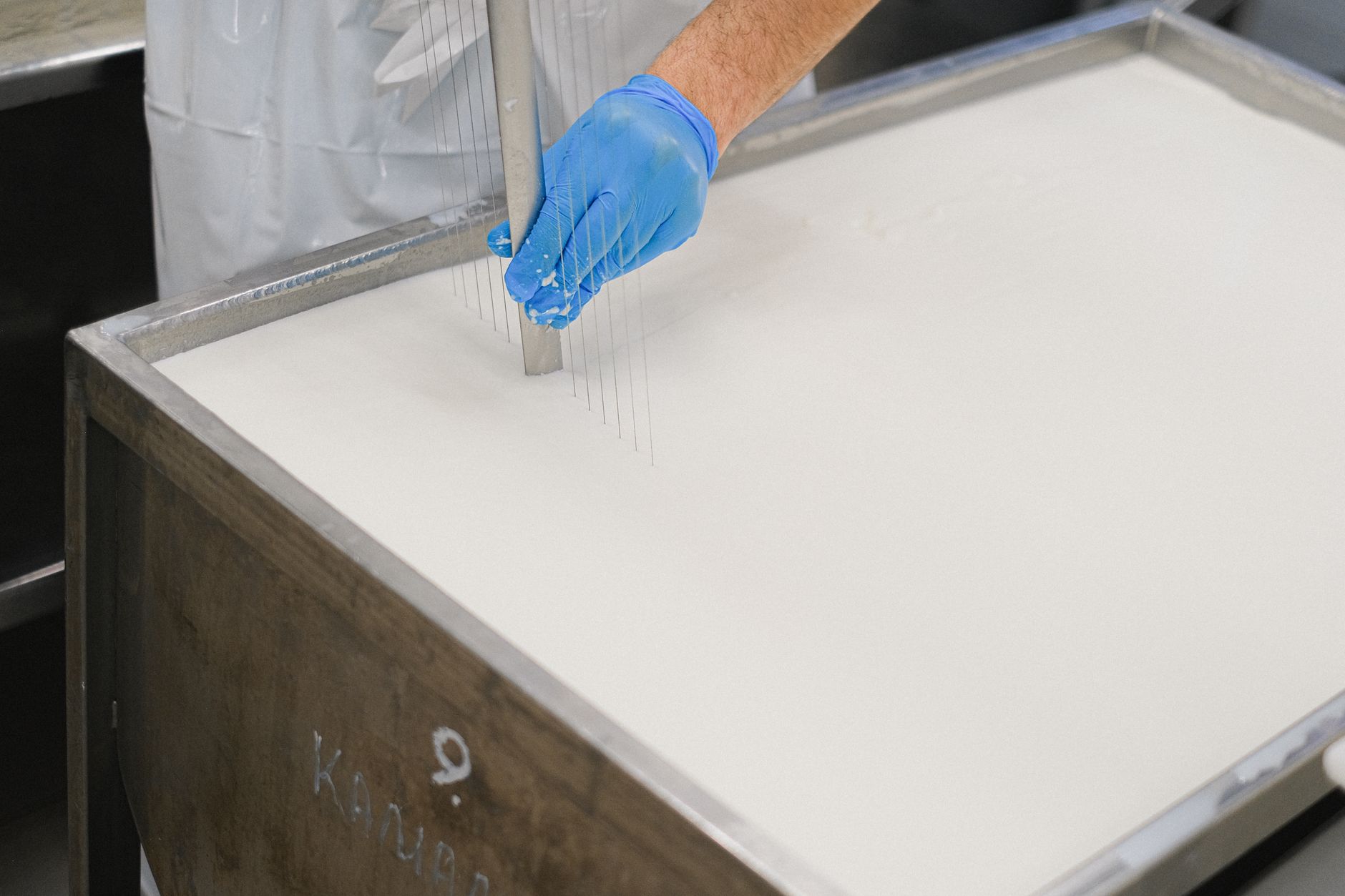
Kaasboerderij De Vier Hoeven, ZegveldFirst part: milk goes into a large vat, rennet is added, then stirring. The farmer explains why you curdle and what needs to happen. Write down the proportions.
Waiting for the curdling takes 20 minutes. During that time the farmer usually tells the story of the farm. Listen, don't ask too many questions.
Cutting and draining the curds. This is the physical work. You feel the structure change under your hands, from milk into something solid.
Pressing into moulds. Not too fast, not too hard. The farmer corrects where needed.
Brining: cheese into salt water for half an hour. In that time you clean up, have a drink, and the cheese gets salted.
At the end: you have a moist white disc in a cloth. Not cheese-as-you-know-it. The farmer writes your name on it in pencil and puts it in the cellar. Four weeks of waiting.
A cheese you made yourself that will be ready in four weeks feels different from a block off the shop shelf. That is not romance, that is a different understanding of what a product is.
Related playbooks
Learning to Bake Gluten-Free
From fear to confidence: learn to bake gluten-free yourself. Workshop + practice at home.
Skill Swap
Find someone who knows something you want to learn. Offer your skill in return. Learn from each other in one session.
Picking winter vegetables in November
A grey November Sunday on a vegetable plot. Kale, white cabbage, parsnip. A basket full for a week of soup and mashed potato dishes.
Baking bread with a real miller
Half a day at a working mill. Grinding grain, making dough, baking in a wood-fired oven. A loaf to take home that smells nothing like supermarket bread.
Analog Sunday
One Sunday a month: no screens, no internet. Only physical objects and physical people. Rediscover what a day feels like.
Maker Marathon
Eight hours of pure creation. No consumption, no scrolling, no input. Meals prepped in advance. Just you and the making.
Volunteer Sunday on a Biodiverse Farm
A full day working on a nature-inclusive farm. Not a tourist outing, just helping out where needed and having lunch together.
For anyone copying this
Do as we did
Suggestions
- Book at least four weeks ahead. Good workshops have small groups and fill up fast.
- Wear work clothes. You get an apron, but you are working with milk and brine.
- Bring a small notebook for the instructions, otherwise you won't remember them.
- Plan your return trip with a cool bag for the cheese you get to take home straight away.
Variations
- - Yoghurt-versie: kortere workshop, drie uur, andere techniek, ander resultaat dezelfde middag.
- - Geiten-kaas in plaats van koe: anders smaak, ander resultaat, vaak op een kleinere boerderij.
- - In groep met vrienden: privé-workshop, vraag of de boerderij dat doet, vaak ja.
- - Combineer met boerderij-overnachting: workshop op zondagmiddag, slapen op de boerderij.
Atmosphere

by PlayTryBe team