Klein Vaarbewijs 6 of 8: Knots, mooring and manoeuvring
The six knots you use every day and how to bring a boat alongside in wind and current without drama.
Een lijn die loskomt terwijl je wegvaart, een fender die wegglijdt net als je aanmeert, een knoop die je niet vertrouwt als het harder gaat waaien. Wie een boot beheert ontdekt al snel dat de meeste spanning op het water niet van het varen zelf komt, maar van de momenten eromheen. Het aanmeren in een drukke haven met stroom onder de kiel vraagt meer dan een vrije ligplaats. Het vraagt een volgorde: welke lijn gaat eerst, waar staat de wind, wat doet de stroming met de boeg terwijl jij nog bezig bent met de achterlijn.
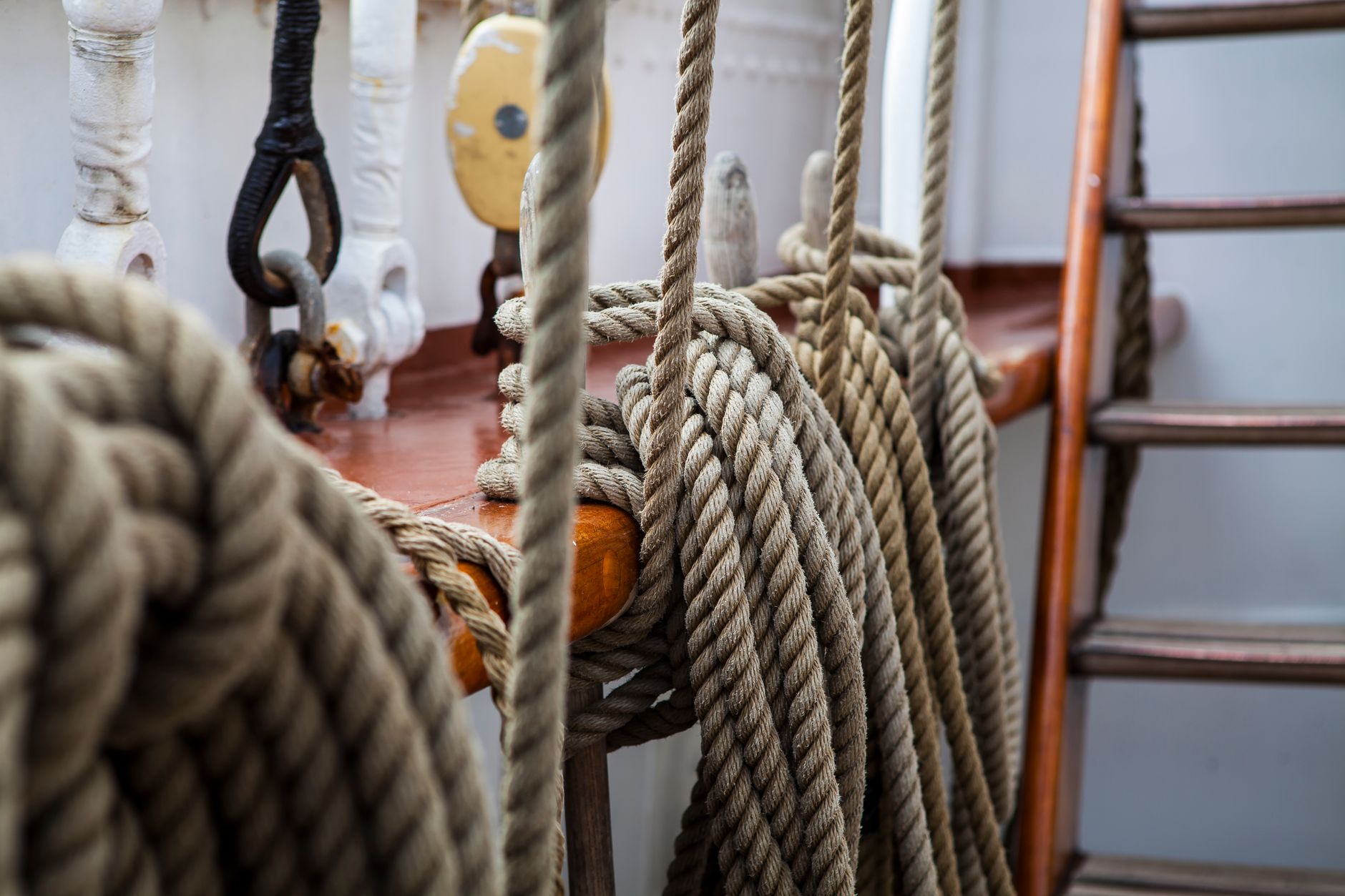
Zes knopen dekken het merendeel van wat er dagelijks van je gevraagd wordt aan boord. Niet als trucje, maar als gereedschap met een specifieke toepassing. Een paalsteek voor een lijn die je wilt kunnen losgooien onder belasting, een klampensteek voor de dagelijkse afmeerplaats. Als die keuzes automatisch gaan, blijft er ruimte over voor wat er om je heen gebeurt.
Tie the bowline, clove hitch, round turn and two half hitches, cleat hitch, reef knot and sheet bend.
Suggestion: A piece of rope and ten minutes a day. Do this one every session.Learn how to moor alongside with springs and breast lines and why springs matter.
Suggestion: Draw the four lines on a boat at a quay.Understand approaching a berth with wind or current: which one wins and how to use it.
Suggestion: Rule of thumb: approach into whichever is stronger.Study anchoring: scope, type of bottom, and how to check the anchor holds.
Suggestion: Scope is the length of chain or line relative to depth. Learn the ratio.Ten practice questions on mooring and manoeuvring.
Suggestion: Tie each knot once more before you stop.
Next
Klein Vaarbewijs 7 of 8: Weather, wind and water
Related playbooks
Klein Vaarbewijs 8 of 8: Charts, tides and open water
The step to Klein Vaarbewijs 2. Reading a chart, plotting a course, compass, tides and currents on the Wadden and the coast.
Klein Vaarbewijs 7 of 8: Weather, wind and water
Wind force, waves on a lake, thunderstorms and reading a forecast before you leave. The water is a different place in Beaufort 5.
Klein Vaarbewijs 5 of 8: Engine, fuel and technique
How an outboard or inboard works, what to check before starting, propeller effects and why boats do not steer like cars.
Klein Vaarbewijs 1 of 8: Rules on the water
The Dutch inland waterway rules (BPR) that every skipper must know. Who gives way, how you pass, and what the signs along the bank tell you.
Klein Vaarbewijs 4 of 8: Safety on board
What must be on board, what to do when someone goes overboard, fire, and the checks before you leave the berth.
Klein Vaarbewijs 3 of 8: Lights and day shapes
Reading a vessel at night or in poor visibility. Navigation lights, what a tug or a ferry shows, and the shapes shown by day.
Klein Vaarbewijs 2 of 8: Buoys, marks and where to sail
Red and green, cardinals and the SIGNI system. How marks tell you where the channel is and which side to keep them.
by PlayTryBe team